
THIS VINTAGE JUNGLE SERIES first appeared in 2002; because it was popular with visitors, I am sharing it again now. The series was written for the 3rd Edition of Warhammer 40,000, but I have made some revisions to the original posts to account for changes to the game, and to broaden its scope to wargames in general.
Editor’s note: Army selection is perhaps the most crucial aspect of wargaming. No matter how brilliant a tactician you are, you’re not going to enjoy a lot of success with a poorly-designed army. In this first installment of our series, Stan Reed offers his perspectives on what makes a great army.
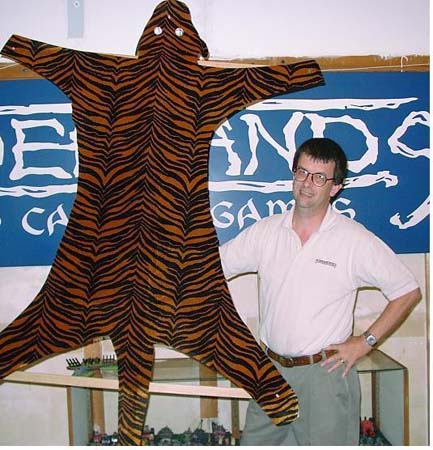
Stan Reed (above) says:
I currently have around 10,000 points of Space Marines, 6000 of Orks, and about 4000 of Sisters of Battle. If you play this game long enough, armies just seem to get bigger without any real effort your part.
After searching for years to find a Fantasy Battle Game to use as a backdrop to a D&D campaign, I discovered Warhammer Fantasy in 1991. I was hooked, and did not play D&D for 10 years, so enamored I was with this new game. Warhammer 40K didn’t become a part of my gaming habit until the last summer of 2nd edition.
In 1995, I acquired a comic book store, and by January of 1996 I started stocking Games Workshop products. Over the years, with much help from the local gaming community, I built a gaming store in which, I think, anyone would like to do battle. The side effect of all this is, of course, that I do not get to play nearly as much as I would like.
Army Selection
by Stan Reed
The fool sayeth, “I hateth math.”
The wise man sayeth, “Numbers art thy friends! Crunch them!”
There is nothing wrong whatsoever with figuring the odds of killing the enemy with Weapon A or Weapon B. Also, after every battle, ask if each unit did damage to the enemy equal to or greater than its points cost. Such information is not an absolute indicator of which units you should keep or dump, but the information may give you some insight as to why things are working or not.
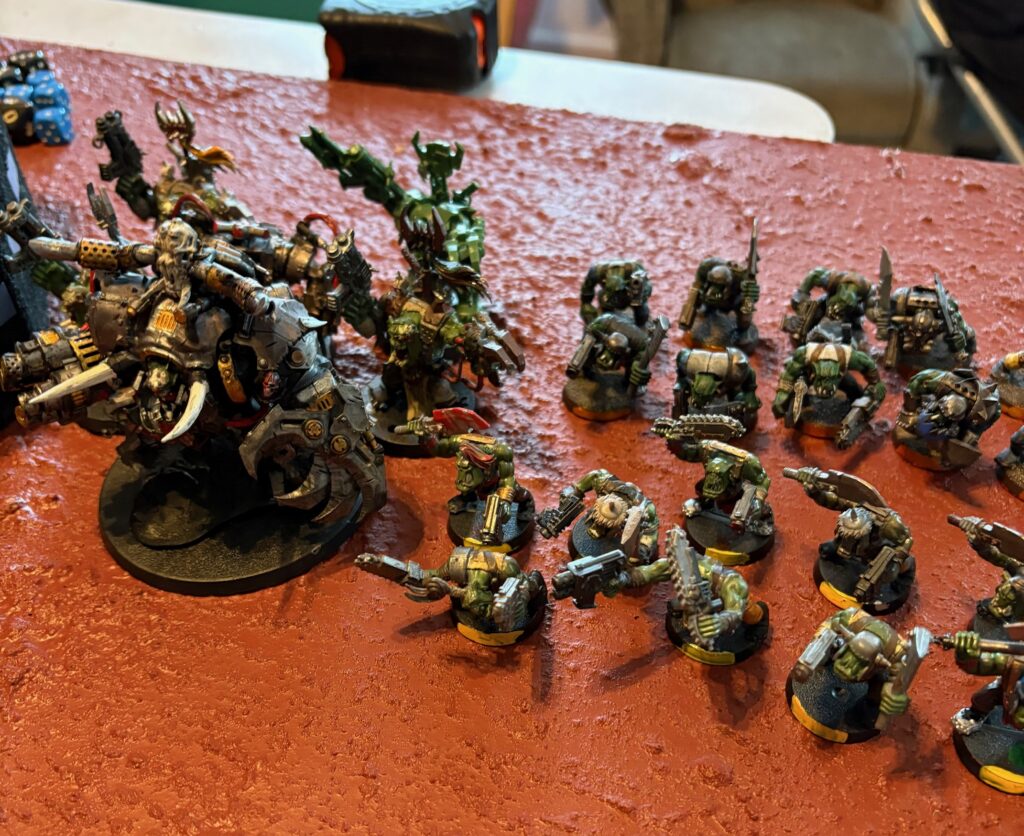
The fool sayeth, “Squad size mattereth not.”
The wise man sayeth, “Taketh large squads to assaulteth, taketh small squads to shooteth!”
Assault: Take large squads for two reasons: 1) You will lose models to shooting on the way across the table. You want to have enough models left to fight when you arrive. 2) When you win, you want to out number your opponent by as great a margin as possible, to “help” his break test.
Shoot: Most armies allow but few heavy/special weapons per squad. If you take small squads, you will have a greater density of the weapons that you have chosen “to do the job.” If you take small squads, the bad effects of breaking and being pinned are minimized.
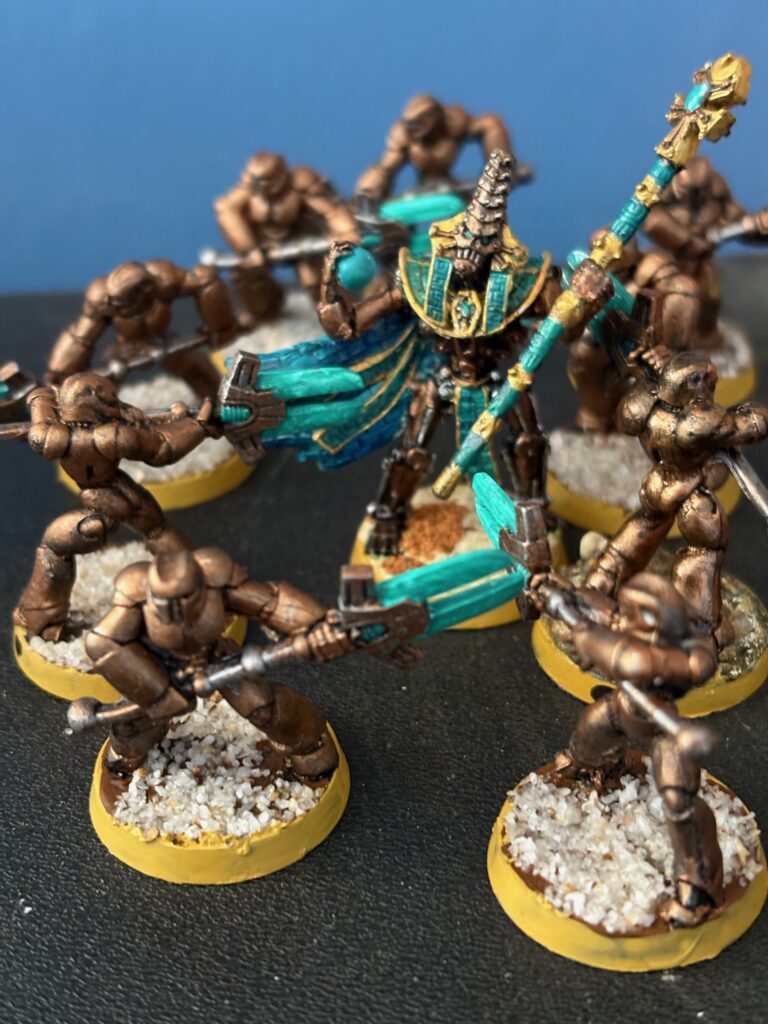
The fool sayeth, “It mattereth not what weapons I choose.”
The wise man sayeth, “Chooseth thy weaponry carefully!”
If you choose your weapons haphazardly, you will not know what to do with them once the battle starts, even if you have the correct weapons for the job. Whenever you put a weapon in your army, ask yourself what exactly to what use you will put that weapon. If you do this, you will also deploy your army better.
Put several weapons in your army that can do the same job. If you have only a single high strength gun in your army “to take care of any tanks,” then it will be gone after the first turn. Crunch numbers! If you are fighting Orks or ‘Nids, go to the trouble to determine whether or not a lascannon is better or worse than a heavy bolter.
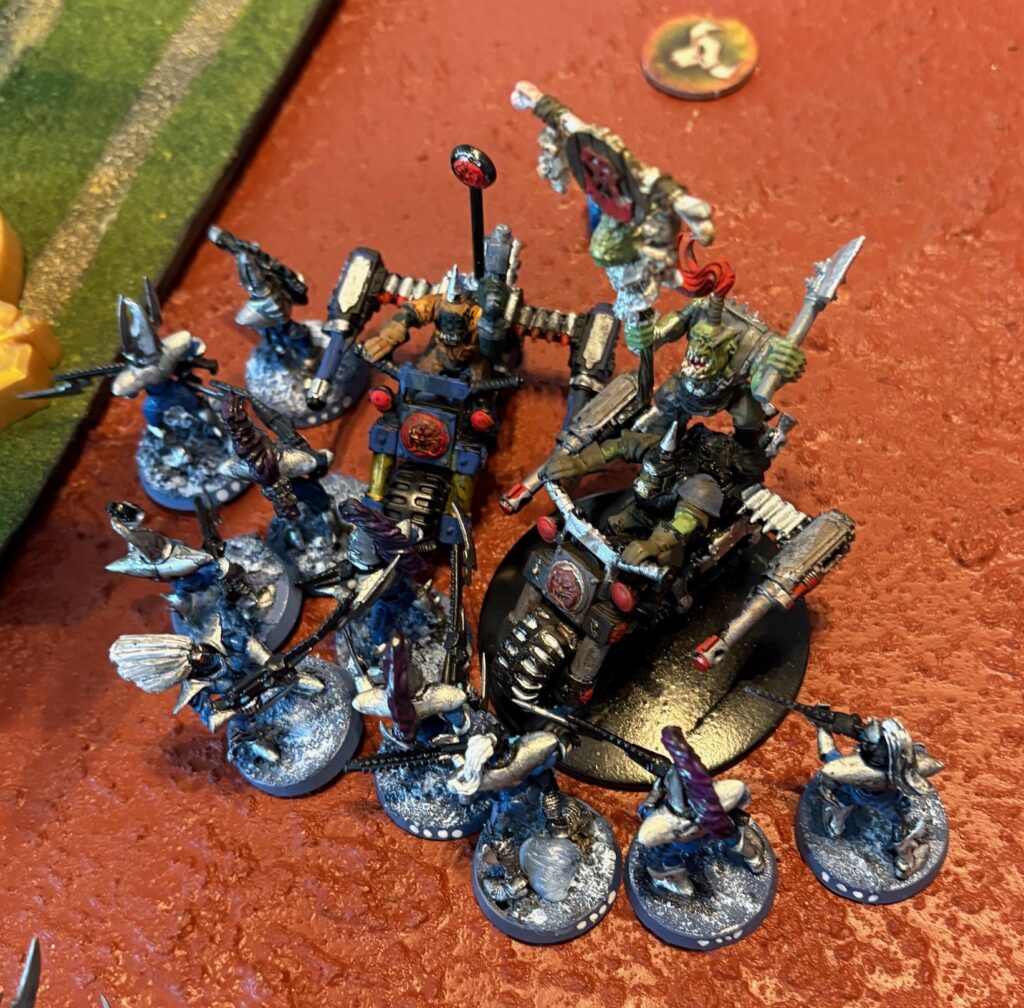
The fool sayeth, “Taketh but a pair of Troops choices. All other types are superior.”
The wise man sayeth, “Chooseth thy soldiers well!”
Every unit must do at least one thing to help you in your objective. If it doesn’t, leave it out! You need to have at two or more units to perform any task. Example: if you are attempting a mission that requires mobility, and you have only one bike squad or Trukk, or whatever, it will be dead after Turn 1. As with the weapons, ask yourself what the unit is capable of, and what you specifically want it to do. Equip it so that it can do the job, and deploy it in the best place to do that job.
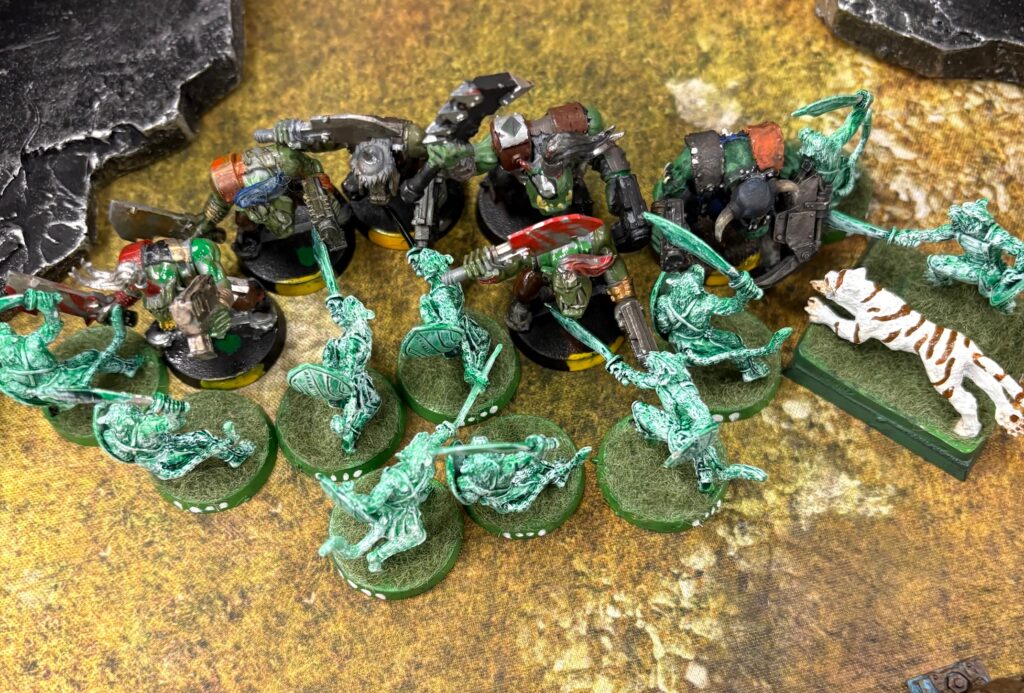
The fool sayeth, “Any army will doeth.”
The wise man sayeth, “Keepeth thy objective ever in thy mind as thine army is constructed!”
What do you want this army to do? Make an overall plan as to “how this army will work.” Every thing in it should contribute to that plan, either actively or passively. As you add units to the army, determine how they fit into the plan.
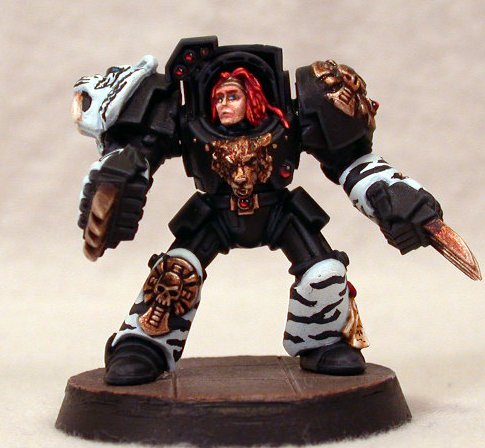
The fool sayeth, “Maketh thy characters as powerful as possible.”
The wise man sayeth, “Spendeth thy points on units!”
Characters are point sinks. Yes, it is cool to make your own personal characters, and fun to model them, but if you are playing to win (the premise of the series of articles), you will do better with squads. Depending on the game system, for what you spend on a fully-tricked out leader, you can probably get a basic squad of troopers, or maybe a vehicle.
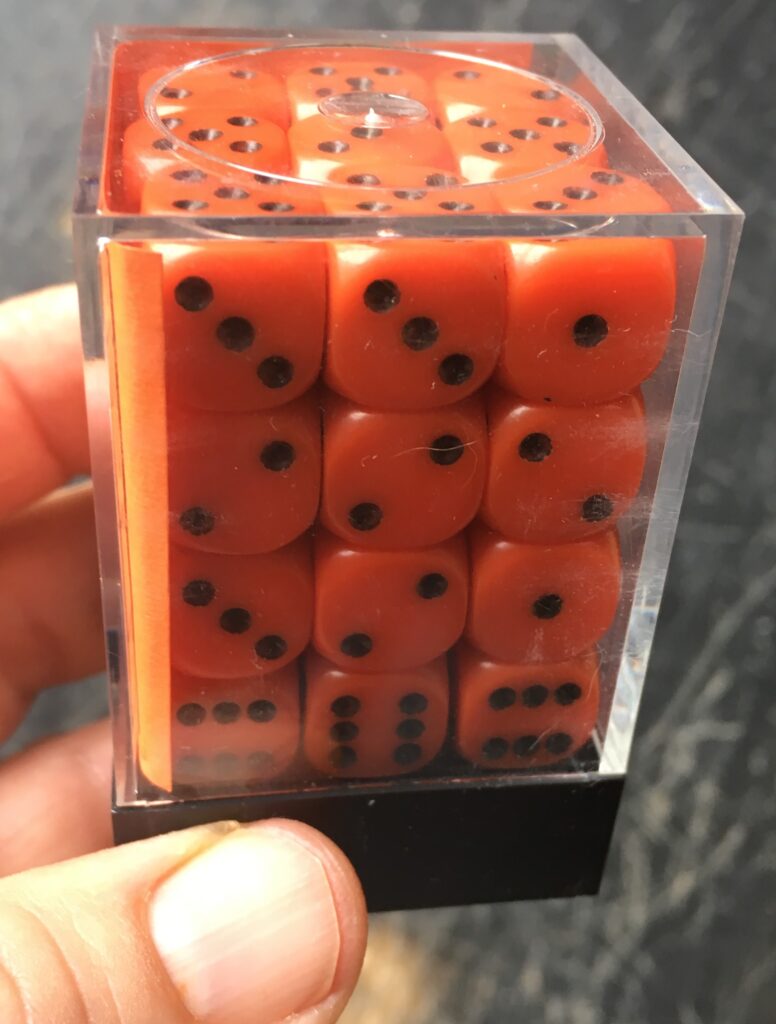
The fool sayeth, “High powered weaponry doth be superior.”
The wise man sayeth, “He who rolleth the most dice winneth!”
I can’t stress this enough: if you make your opponent roll enough dice, he will fail armor saves. Given the choice, choose weapons that have lots of shots each round (even if they are of lesser power) over those that have a single powerful shot. Think about it: how many times have you missed or failed to wound with a lascannon?
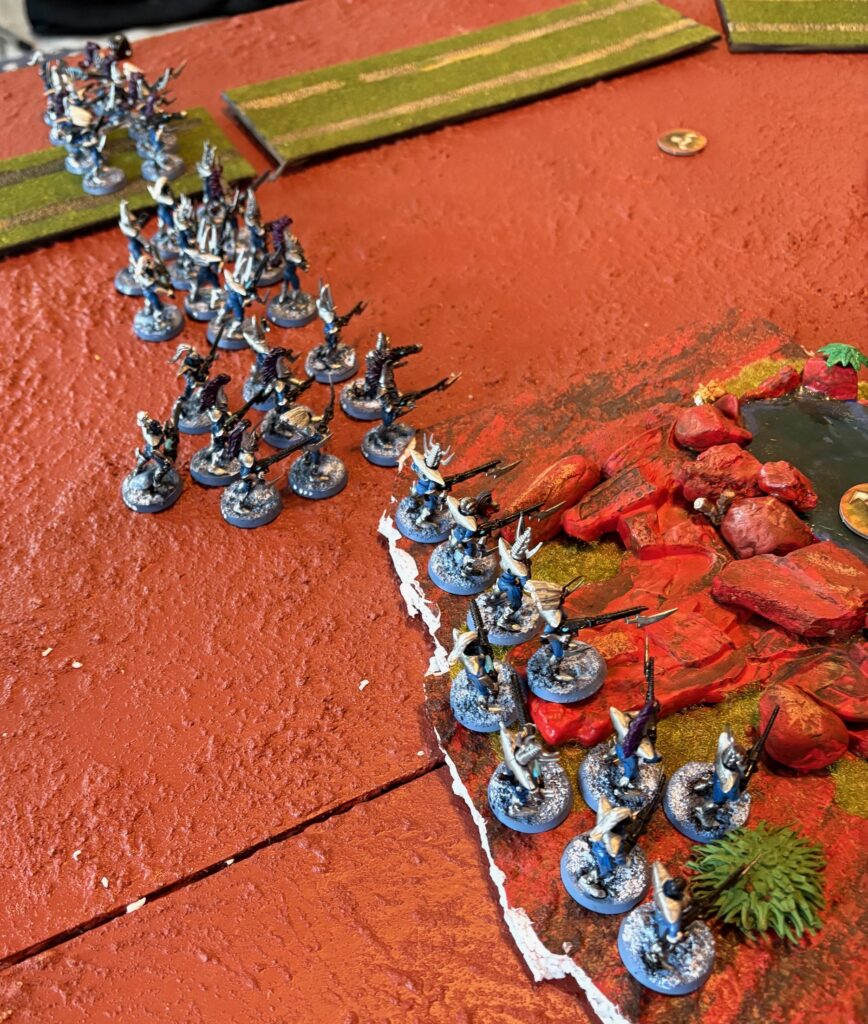
The fool sayeth, “I hath mastered my book, and am ready for battle.”
The wise man sayeth, “Learn to play by playing.”
Experiment with different types of armies. Take an all-shooty army, and see how it does, and notice which units perform well. Take an all-assault army. Notice what happens and which units carry their weight. Take a speed army. See what comes together and what goes awry.
After you get over “the dice did it again,” honestly evaluate the performance of each of your units. Then, when you combine fast units with shooty units with assaulty units into a “well balanced army,” you will not only know what to expect of these units, but how to use them effectively as well.
Up next: Master Wargamer Ken Lacy adds his insight to army selection.

“SAGE” IS COMING! If you love fantasy roleplaying games but hate the clunky rules of old editions, or the bloat and lameness of new editions, you’re going to love SAGE!
SAGE stands for “Simple & Awesome Gaming Engine,” and it’s a fun and easy way to adventure, meant for busy people (new players and veterans) who don’t have the time or inclination to power through 500+ pages of rules spread across multiple books.
SAGE is the game I’ve been wanting to build for the past 30 years, and soon I can share it with you. I have not used any AI when writing or editing SAGE, or for any of its artwork, because AI sucks, and you deserve better.
SAGE is a labor of love designed by gamers for gamers; it’s not a cash grab by a big corporation that only cares about churning out product. Everything the players need will be in one slim, softcover volume. A separate book (about the same size) for the game master will cover monsters, treasure, and magical items. That’s it. Nothing else needed. All reasonably priced, with minimal frills. And, of course, there will be digital versions you can pull up on your phone.
Look for the Players Rulebook early this year, and the Game Master’s Guide in late 2026 or early 2027. You can read more about SAGE here and here and here.
Kenton Kilgore writes books for kids, young adults, and adults who are still young. Follow Kenton on Facebook for frequent posts on sci-fi, fantasy, and other speculative fiction. You can also catch him on Instagram.