
THIS VINTAGE JUNGLE SERIES first appeared in 2002; because it was popular with visitors, I am sharing it again now. The series was written for the 3rd Edition of Warhammer 40,000, but I have made some revisions to the original posts to account for changes to the game, and to broaden its scope to wargames in general.
Introduction by Kenton Kilgore
Winning is good.
Winning on a consistent basis is even better.
If you don’t believe the two previous statements, then this series of articles is not for you. The aim of these articles is to teach people how to win battles: not by cheating, not by being “cheesy” (whatever that’s supposed to mean), not by acting like a jerk. But just by knowing good, solid strategy and tactics.
What you’ll find here isn’t tedious detail covering every possible opponent or circumstance–that would take forever to read and you wouldn’t remember a tenth of it in a game. No, this series offers easy-to-retain nuggets of knowledge and wisdom that will immediately, perhaps dramatically, improve your play.
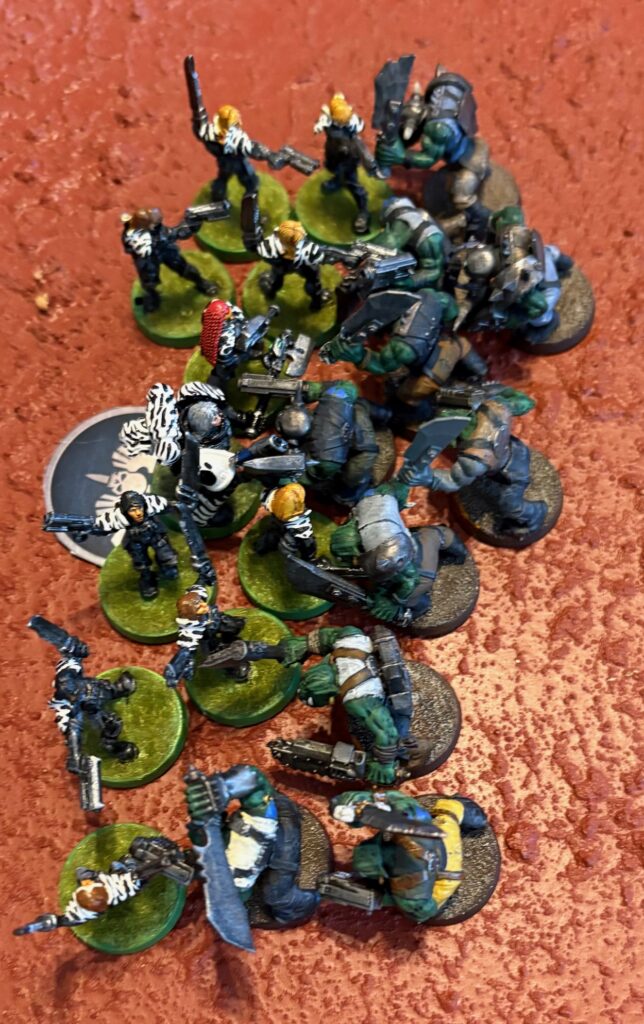
Is It Wrong To “Play To Win?”
Occasionally, you’ll hear someone say that “playing to win” is wrong. Certainly, it can be wrong–if winning is the only thing that matters to you. If you “play to win” by breaking rules. If you “play to win” by being rude. If by winning, you lose friends.
But “playing to win” is not inherently bad, in my humble opinion. Wargaming is, by its nature, a competitive game: at the end, there’s a winner and a loser. “Playing to win” forces you to grow as a player, to improve your skills, to become better at the game. And if you have regular opponents, it forces them to get better too, if they hope to have any chance of beating you!
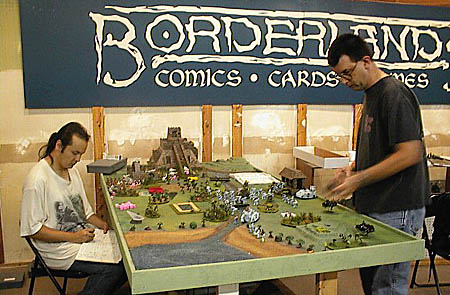
Meet the Masters
Each article in this series deals with a certain element that you must address if you want to improve your play. The authors are friends (and opponents) of mine from the original Millenium Gate forum, which now exists as a Facebook page. Each master wargamer has a reputation for being a cunning general, with an impressive battle record to back up their words.
So sharpen your pencils and get ready to take notes, kids: school is in session. Here’s what we’ll be studying:
- Army Selection, Part 1 by Stan Reed
- Army Selection, Part 2 by Ken Lacy
- General Strategy, by Paul Hill
- Deployment, by Robert Van Pelt
- Improvising, by Lee Loftis

“SAGE” IS COMING! If you love fantasy roleplaying games but hate the clunky rules of old editions, or the bloat and lameness of new editions, you’re going to love SAGE!
SAGE stands for “Simple & Awesome Gaming Engine,” and it’s a fun and easy way to adventure, meant for busy people (new players and veterans) who don’t have the time or inclination to power through 500+ pages of rules spread across multiple books.
SAGE is the game I’ve been wanting to build for the past 30 years, and soon I can share it with you. I have not used any AI when writing or editing SAGE, or for any of its artwork, because AI sucks, and you deserve better.
SAGE is a labor of love designed by gamers for gamers; it’s not a cash grab by a big corporation that only cares about churning out product. Everything the players need will be in one slim, softcover volume. A separate book (about the same size) for the game master will cover monsters, treasure, and magical items. That’s it. Nothing else needed. All reasonably priced, with minimal frills. And, of course, there will be digital versions you can pull up on your phone.
Look for the Players Rulebook early this year, and the Game Master’s Guide in late 2026 or early 2027. You can read more about SAGE here and here and here.
Kenton Kilgore writes books for kids, young adults, and adults who are still young. Follow Kenton on Facebook for frequent posts on sci-fi, fantasy, and other speculative fiction. You can also catch him on Instagram.