
THIS SERIES is for idiots like me who suck at deployment, and would like some general advice (learned the hard way) on how to do better. I originally intended for these articles to be for 40K, but they’re relevant, methinks, to similar games, such as Grimdark Future (GF). Here’s what I’ve covered so far:
- Introduction
- “Heavy Support” (Shooty) Units
- “Heavy Support” (Non-Shooty) Units
- “Troop” Units
- “Elite” Units
10th Edition 40K has done away with the Force Organization Charts (FOC) that it used in previous editions, and the time of this posting (May 2026), I don’t know (or much care, tbh) if the FOC will return for 11th Edition. The FOC charts divided units into certain categories–HQ; Troops; Elites; Fast Attack; and Heavy Support–and even though those designations no longer exist, it’s still helpful to use them for deployment. Think of them as functions for the various units.
Remember, I’m not a master player, and this series isn’t meant for master players: it’s for newbies, folks who want a refresher, and dumbasses (like me) who need things explained simply and slowly.
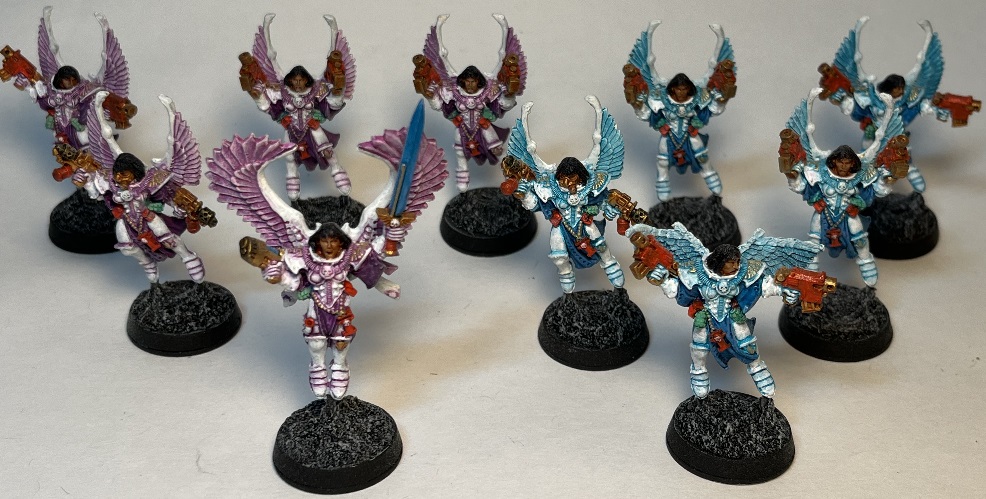
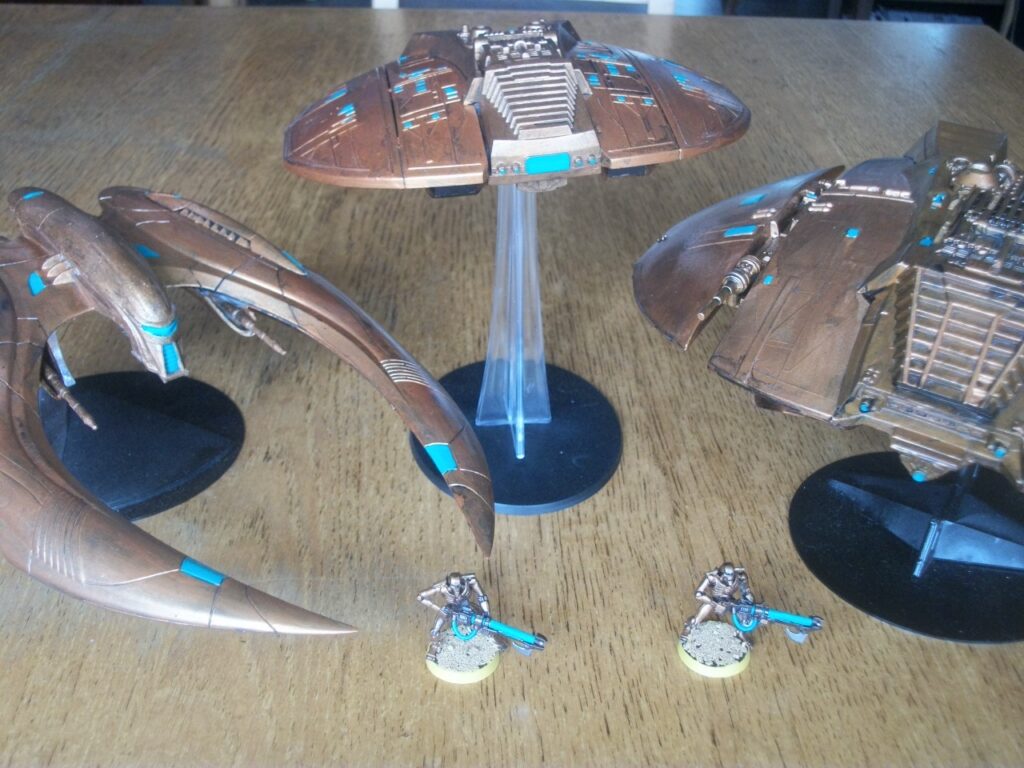
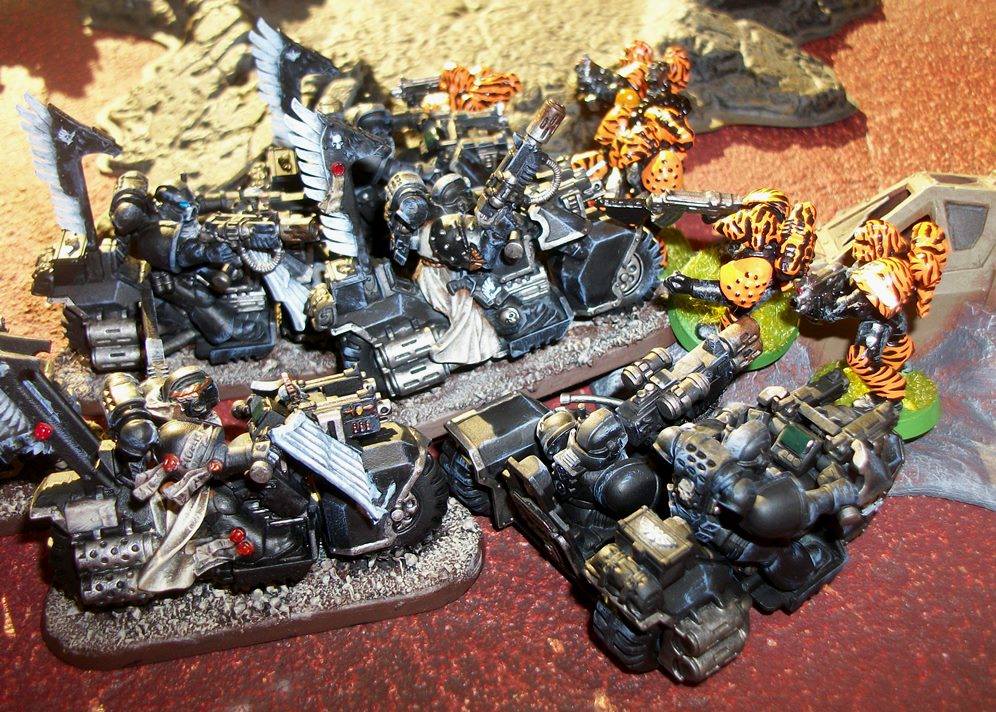
Warhammer 40K has a plethora of Fast Attack (FA) units: Space Marine Assault Squads and Land Speeders, Tyranid Raveners, Necron Tomb Blades, Kroot Hounds, Drukhari Hellions, Ork Deffkoptas, and Bikes from various factions.
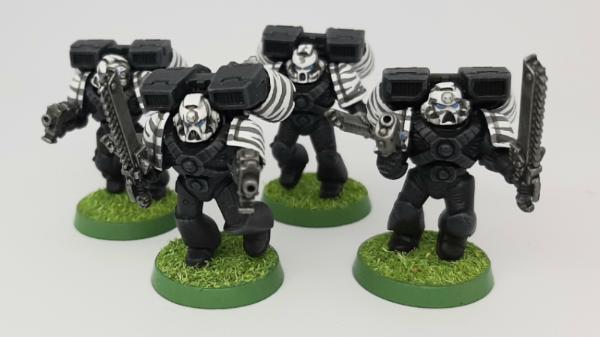
“Fast” is the operative word: all of these units move fairly quickly (some considerably more so than others) compared to the other units in their respective armies. Aside from being able to zoom around the board, almost all FA options share these characteristics:
Small unit size. They usually consist of 3-5 models, though sometimes as few as 1, but almost never more than 10.
Dedicated but excellent combat ability. Fast Attack are usually skilled at shooting OR close combat, but not both. If you try charging your Land Speeder into an Ork mob…well, good luck with that.
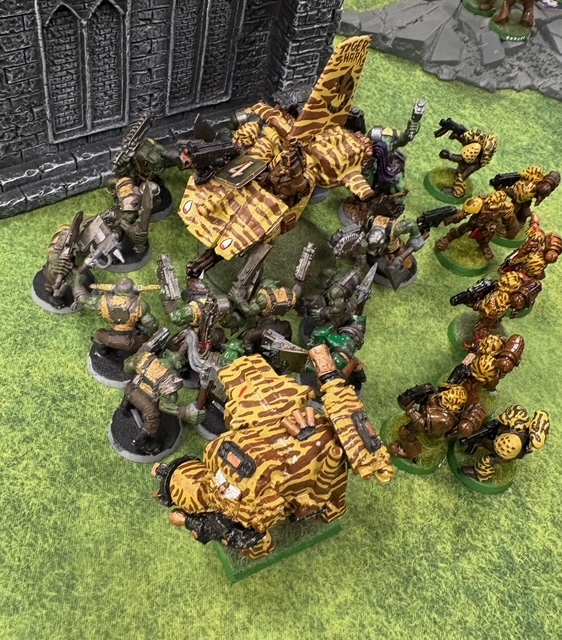
Most FA units are shooty, often with one or more heavy weapons that either do well against infantry or vehicles; some FA units are armed to deal with both sorts of enemies.
A few FA units specialize in close combat, being better than Troops, but maybe not as skilled as Elites. A common issue with FA assault units is that they are usually on the smaller side.
Fragility. Fast Attack units usually don’t have much in the way of armor or multiple Wounds, as compared with Heavy Support units. They cannot get into extended firefights with comparable or superior foes, nor survive a battle of attrition in close combat.
Higher point cost. While usually not as expensive as Elites or Heavy Support, FA units are pricier than your basic Troops.
A Note About Flyers
40K and Grimdark Future have “Flyers” or “Aircraft” or the like, which are similar enough to other Fast Attack units that I’m including them in this post.
Flyers, however, do have some key differences. Depending on what the rules for 40K/GF are this week, Flyers are MUCH faster than the other “Fast Attack” units (in GF, they move 31-36″ each turn), are equipped with guns and/or bombs to drop on targets they pass over, ignore terrain, and may or may not be able to be attacked in close combat (again, depending on the rules used for your game’s current edition).
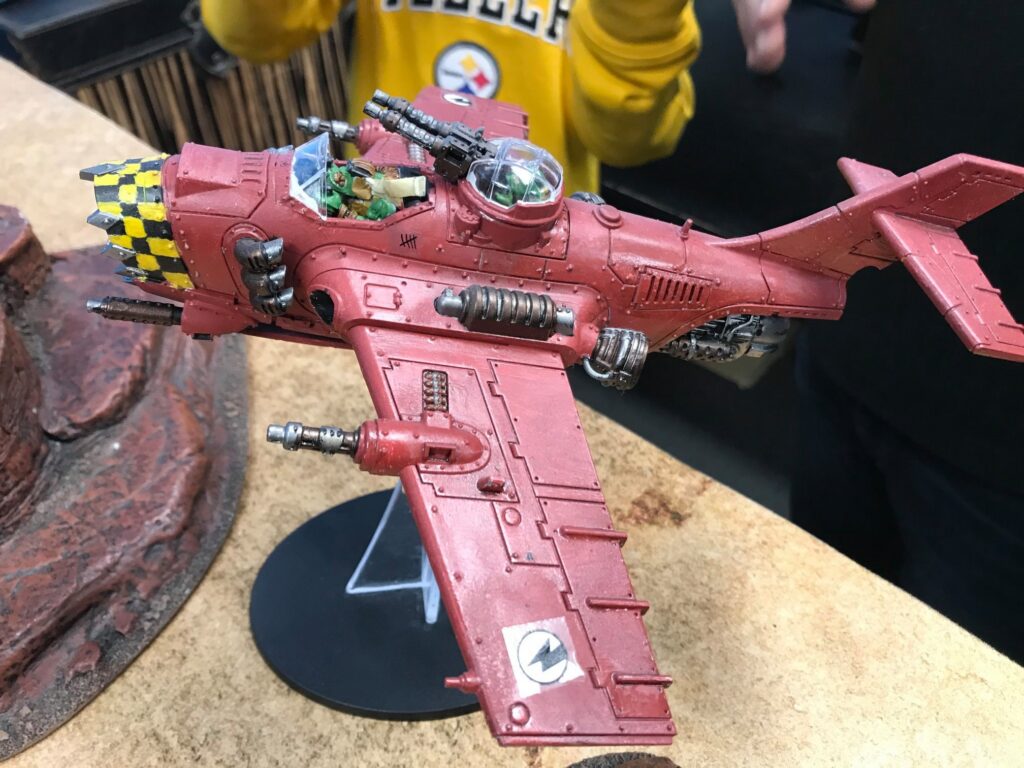
Flyers are single models, and are usually quite expensive, points-wise. They are also fairly fragile: one good hit with a heavy weapon will often drop them. There are also several weapons dedicated specifically to shooting down Flyers.
Fortunately, they are also usually hard to hit: in GF, weapons fired at them have -12″ on their range, which means that Aircraft (as they’re called in the game) cannot be hit by pistols or the GF versions of flamers and melta guns.
All of this is to say, when it comes to Flyers/Aircraft, treat them like you would other Fast Attack units, and you won’t go wrong.
Using Fast Attack
With these units, it’s all about mobility, mobility, mobility. They’re Fast Attack: “Fast” is how you should move, “ATTACK!” should be your battle cry. If you don’t have the nerve to take a bunch of these units and smash the enemy right in the mouth, then maybe you should play Magic the Gathering.
While you don’t want to do anything foolhardy (like heading up the middle of the board right into the biggest, meanest part of the enemy), aggressiveness is your ally: “the best defense is a good offense.” Amen.
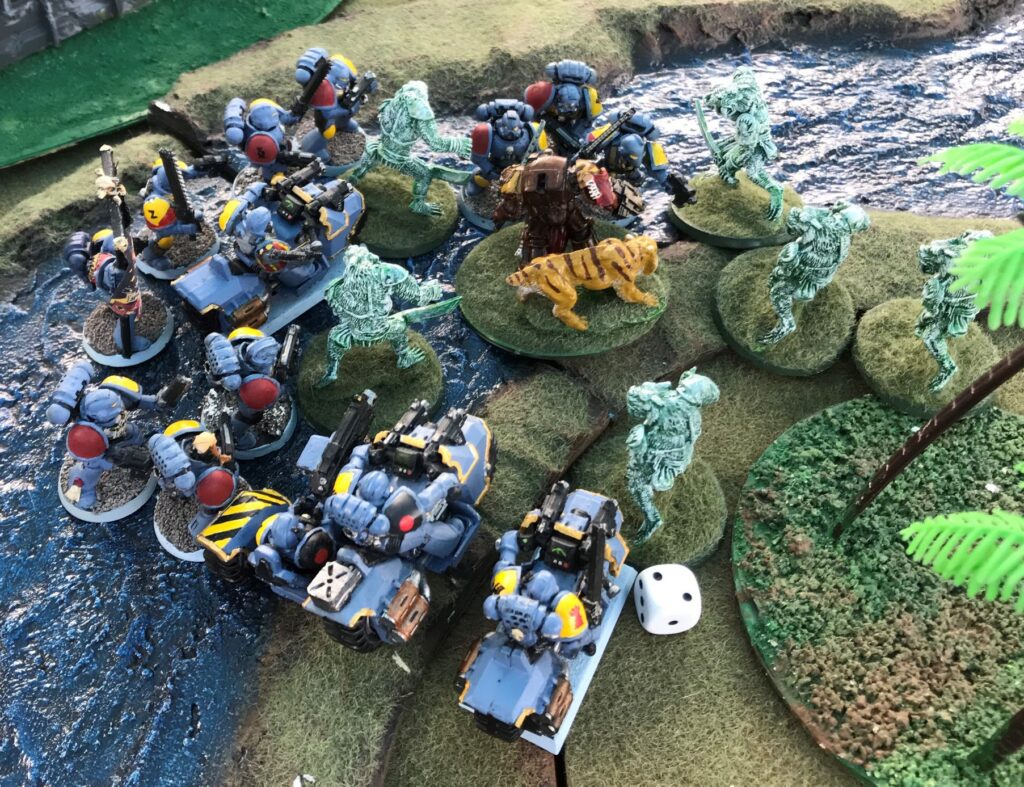
Assign your FA units specific targets to go after, then move quickly to engage those targets and destroy them ASAP. Fast Attack units are not built to muck around, nor are they able to take a lot of hits. Make sure you take advantage of every scrap of cover you can on your way to the enemy, to block line of sight and/or to get bonuses to your armor saves.
When choosing FA units, emphasize quality over quantity. There is no way you will make Fast Attack units cheap, so you might as well make them good. Exception: sometimes, it’s best to have small, cheap units whose sole purpose is to grab objectives. Necron Scarabs are good for this, as are Astra Militarum cavalry. These units get to the objectives before anyone else, then hunker down and hold them until your bigger, stronger units (like Troops) can take over for them.
To Reserve, Or Not To Reserve?
If your FA assault unit has the ability to drop in to the enemy’s side of the board by way of Deep Strike, Ambush, or whatever, then do it instead of running, flying, or hopping across the table, sucking down bullets on the way.
For shooty FA units, there’s usually no point to staying off the board, unless you have extremely short range guns, and the bad guys aren’t coming to you. Start on the table, get moving, and unload all the firepower you can while you can, because some master players make a habit of killing fast targets first.
How To Deploy Elite Units
Deploy FA along flanks, in–or better yet, behind–cover if you’re not going to go first. I like putting all my FA units together so that they can coordinate attacks and support each other.
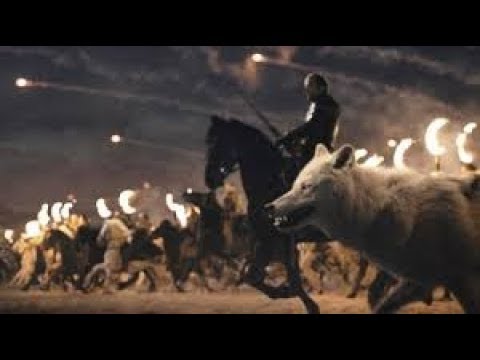
You definitely don’t want to place your FA units in the center of the board, where they can take fire from all angles, and where they’re liable to run into the brunt of the enemy’s forces. Remember in that crappy last season of Game of Thrones when the Dothraki made an idiotic charge right into the middle of the undead army? Yeah, don’t do that.
Conclusion
So, what have we learned?
- Fast Attack units are usually small and fragile, but lethal
- Mobility and aggressiveness are key
- Deploy along a flank and in cover to minimize incoming attacks
- Put your FA units with each other to combine their efforts
Next time out, we’ll finish this series by talking about Character units.

“SAGE” IS COMING! If you love fantasy roleplaying games but hate the clunky rules of old editions, or the bloat and lameness of new editions, you’re going to love SAGE!
SAGE stands for “Simple & Awesome Gaming Engine,” and it’s a fun and easy way to adventure, meant for busy people (new players and veterans) who don’t have the time or inclination to power through 500+ pages of rules spread across multiple books.
SAGE is the game I’ve been wanting to build for the past 30 years, and soon I can share it with you. I have not used any AI when writing or editing SAGE, or for any of its artwork, because AI sucks, and you deserve better.
SAGE is a labor of love designed by gamers for gamers; it’s not a cash grab by a big corporation that only cares about churning out product. Everything the players need will be in one slim, softcover volume. A separate book (about the same size) for the game master will cover monsters, treasure, and magical items. That’s it. Nothing else needed. All reasonably priced, with minimal frills. And, of course, there will be digital versions you can pull up on your phone.
Look for the Players Rulebook early this year, and the Game Master’s Guide in late 2026 or early 2027. You can read more about SAGE here and here and here. Visit www.sagefantasyrpg.com.
Kenton Kilgore writes books for kids, young adults, and adults who are still young. Follow Kenton on Facebook for frequent posts on sci-fi, fantasy, and other speculative fiction. You can also catch him on Instagram.