
THIS SERIES is for idiots like me who suck at deployment, and would like some general advice (learned the hard way) on how to do better. I originally intended for these articles to be for 40K, but they’re relevant, methinks, to similar games, such as Grimdark Future (GF). Here’s what I’ve covered so far:
- Introduction
- “Heavy Support” (Shooty) Units
- “Heavy Support” (Non-Shooty) Units
- “Troop” Units
- “Elite” Units
- “Fast Attack” Units
The Third to Ninth editions of 40K had Force Organization Charts (FOC) that divided units into certain categories: HQ; Troops; Elites; Fast Attack; and Heavy Support. Even though those designations were done away with in 10th Edition, it’s still helpful to use them for deployment purposes. Think of them as functions for the various units.
Remember, I’m not a master player, and this series isn’t meant for master players: it’s for newbies, folks who want a refresher, and dumbasses (like me) who need things explained simply and slowly.
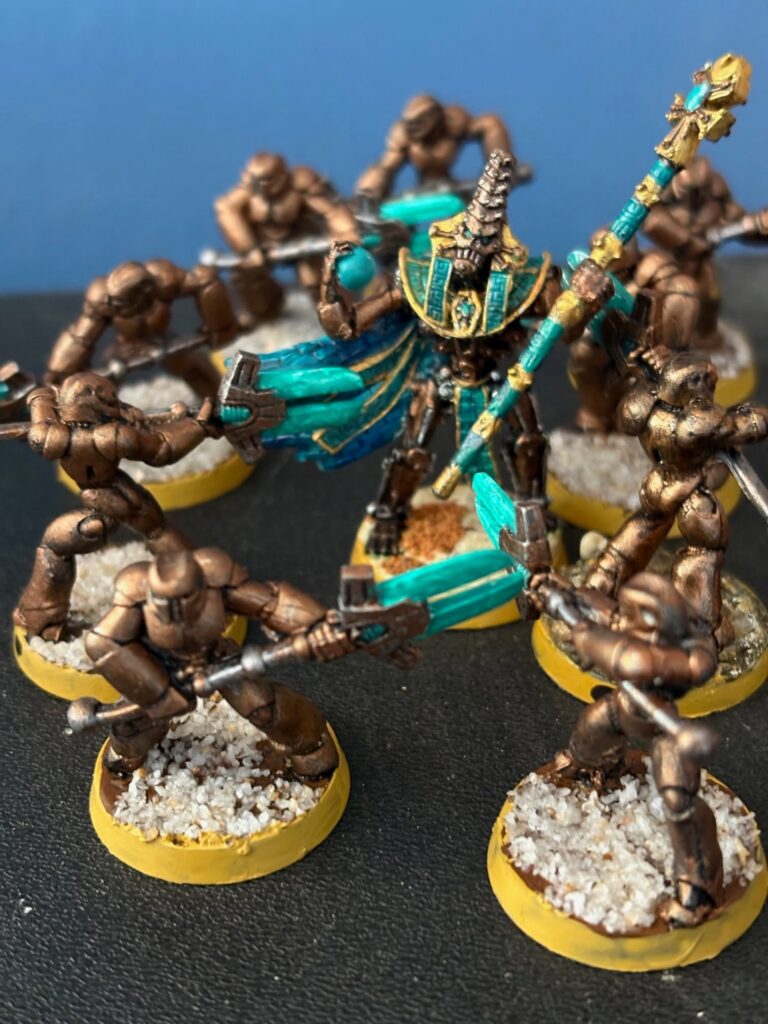
Armies need leaders, and in Warhammer 40K, you have Space Marine Captains, Aeldari Farseers, Astra Militarum Commissars, Tyranid Hive Tyrants, Ork Warbosses, and so on. Though they come in all kinds of looks, these Characters share several features:
Single models. Although you can find some units made up of several Characters acting together, for about 99% of the time, you’re talking about a single model. Often, it’s desirable to attach this model to another unit (such as Troops or Elites), mostly to offer them protection from enemy attacks, and to give the affiliated unit some kind of bonus.
Sometimes, the individual Character cannot, for a rule reason, be attached to another unit. This is usually the case for big models, but they often have plenty of Wounds that enable them to soak up lots of damage.
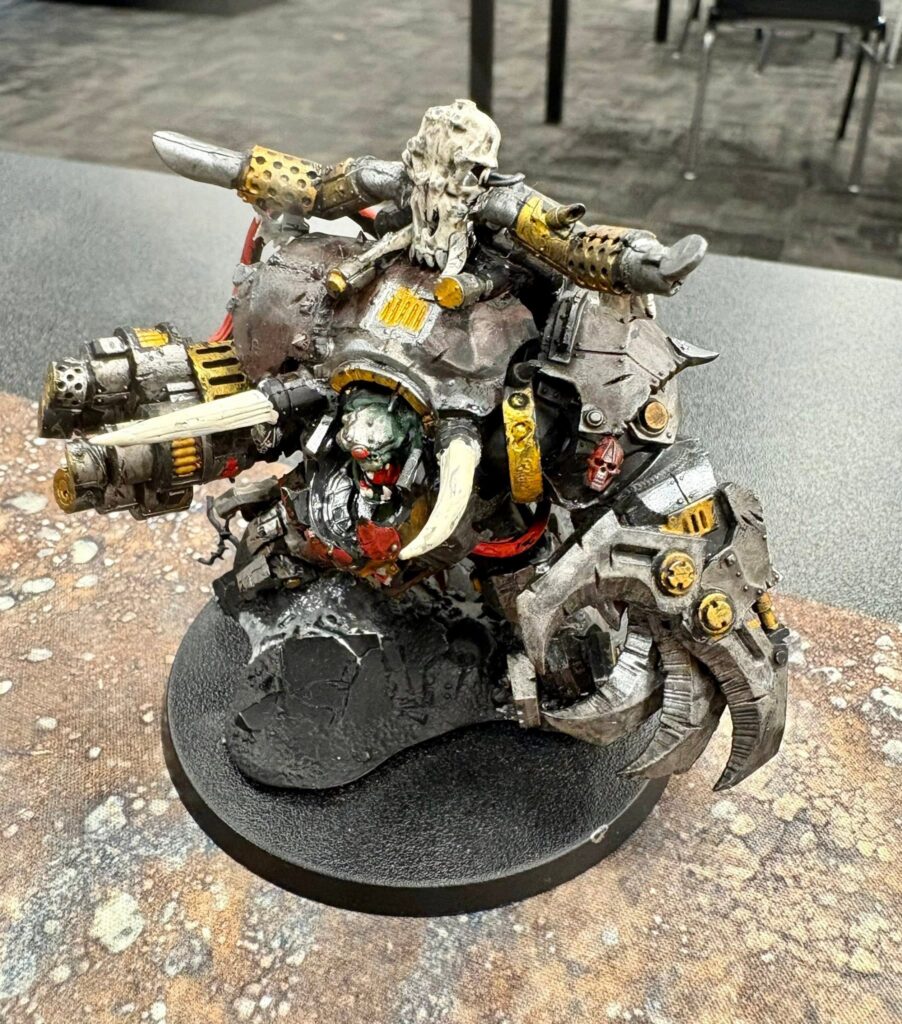
Superb close-combat ability. A few Characters, notably the T’au Empire Commanders, carry impressive long-range weaponry, but it’s in close combat where almost all Characters excel. Indeed, the aforementioned Hive Tyrants and Warbosses are brutal opponents up close and personal, and you’ll want to bring them bear as soon as possible.
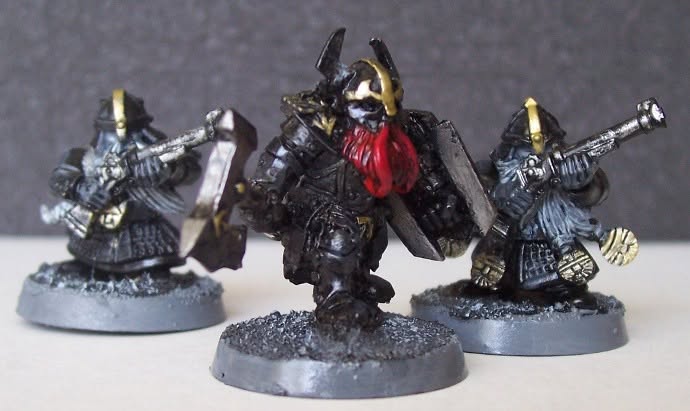
Psychic ability. Some Characters possess psychic powers which can aid allied units, strike enemies from a distance, and/or make the Character even more potent in close combat. The Aeldari have many powerful psykers, but other armies–various Imperial forces, Chaos Daemons, and the Tyranids–can also field some powerhouses.
High point cost (and monetary price). All this awesomeness doesn’t come cheap, either in point values or dollar amounts. You can expect to pay a lot of both for Characters, but the miniatures are usually extremely detailed and absolutely gorgeous, making them the perfect centerpieces for your army.
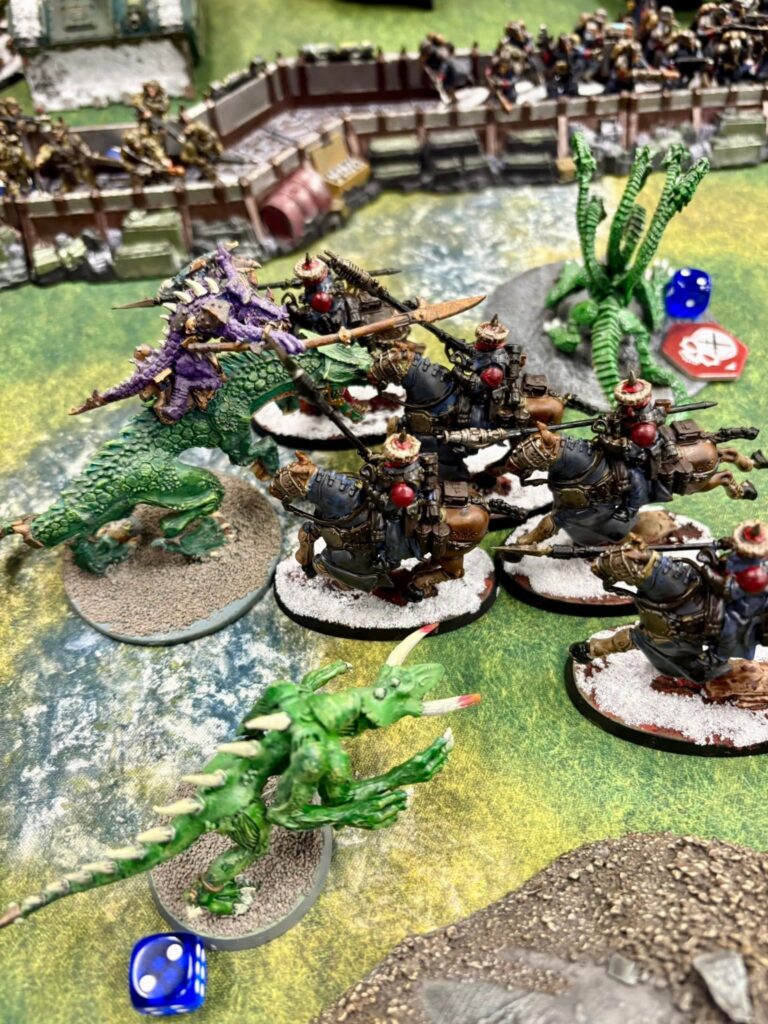
Using Characters
Characters supplement other units. As mentioned, add them to Troop, Elite, or Fast Attack squads to bolster Morale, gain benefits, and add potent close combat- or shooting ability. Having groups of bodies around your Characters will also keep them alive longer.
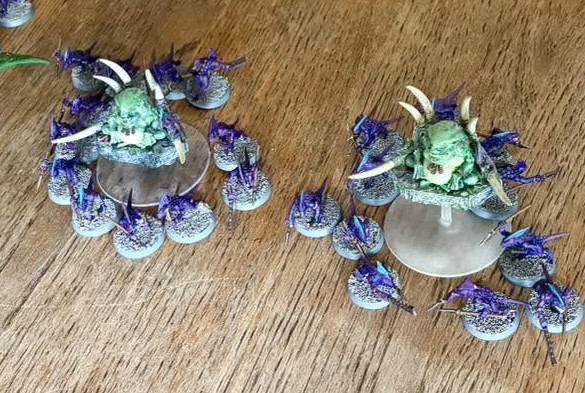
What you should absolutely NOT do is field Characters with a small number of Wounds all on their own, where they can be picked off by enemy fire or jumped by enemy assault guys. If, for whatever reason, the rules don’t allow you to field a particular Character with another unit, then get them into close combat ASAP so they can wreck some shyte.
The worst thing you can do with a Character is have them dawdle around, maybe taking an ineffective potshot here and there, not doing much of anything. I once fought a game against Space Wolves in which the mighty Logan Grimnar never made it to close combat because the player had him casually stroll across the board, shooting his storm bolter instead of hacking my Space Dwarves to pieces.
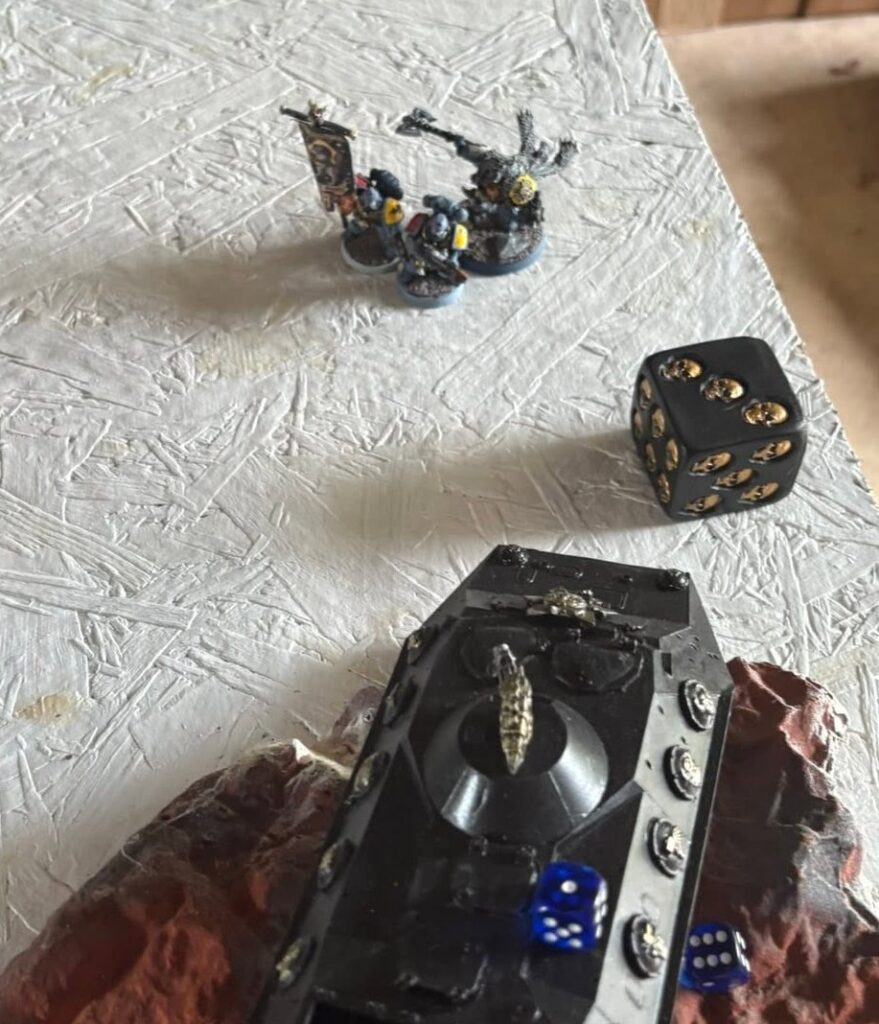
To Reserve, Or Not To Reserve?
If you have a way to get your Character into the action without exposing them to a bunch of shooting–say, they can Ambush, Infiltrate, or Deep Strike–then do so, especially if they are forced to be on their own. Even if they are paired with a support squad, it’s best to get them stuck in pronto. Characters are too expensive and too valuable to have them waste their time plodding across the board.
How To Deploy Characters
Whether they’re shooty or punchy, put Characters in the middle of your deployment zone, towards the front. You want them involved in the thick of the action ASAP.
If they’re assaulty, add them to a support unit of Troops or Elites, preferably in a Transport, and send them straight at the enemy. Don’t have them dork around like the aforementioned Logan Grimnar, or put them so far out on a flank that they hardly have any impact on the battle.
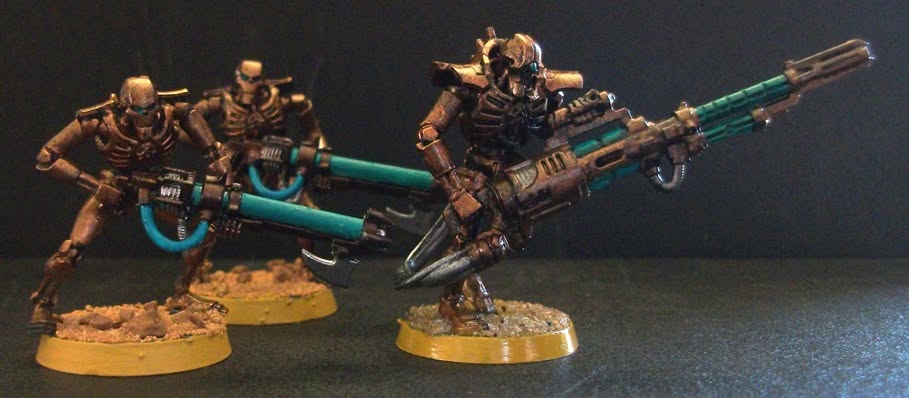
Conclusion
So, what have we learned?
- Attach Characters to squads of Troops, Elites, or Fast Attack, if possible
- Put them in Transports (or in Reserve)
- Deploy them front and center to get them into the action quickly
- Be aggressive with them to make the best use of their abilities
I hope you’ve enjoyed this series. Now go out and set yourself (and your army) up for victory!
GET READY TO BE “FIGHTING MONSTERS!” If you love fantasy roleplaying games but hate the clunky rules of old editions, or the bloat and lameness of new editions, you’re going to love FIGHTING MONSTERS IN SCARY PLACES!
FIGHTING MONSTERS (or FMSP) a fun and easy way to adventure, meant for busy people (new players and veterans) who don’t have the time or inclination to power through 500+ pages of rules spread across multiple books.
FMSP is the game I’ve been wanting to build for the past 30 years, and soon I can share it with you. I have not used any AI when writing or editing FMSP, or for any of its artwork, because AI sucks, and you deserve better.
FMSP is a labor of love designed by gamers for gamers; it’s not a cash grab by a big corporation that only cares about churning out product. Everything the players need will be in one slim, softcover volume. A separate book (about the same size) for the game master will cover monsters, treasure, and magical items. That’s it. Nothing else needed. All reasonably priced, with minimal frills. And, of course, there will be digital versions you can pull up on your phone.
Look for the Players Rulebook later this year, and the GM Guide in early 2027. You can read more about FMSP here. Visit www.fightingmonstersinscaryplaces.com.
Kenton Kilgore writes books for kids, young adults, and adults who are still young. Follow Kenton on Facebook for frequent posts on sci-fi, fantasy, and other speculative fiction. You can also catch him on Instagram.